Hardie Siding
Hardie Siding vs. Vinyl Siding: Which Is Right for Your NJ Home?
September 22, 2026 · 4 min read · Hammer Exteriors
A side-by-side look at cost, durability, curb appeal and resale value so you can choose with confidence.
Upfront Cost
Vinyl siding typically has the lower upfront price. James Hardie fiber cement costs more per square foot in both material and labor — but that's only part of the story.
Durability and Lifespan
Vinyl can crack in cold snaps, warp near grills or reflective windows, and loosen in high winds. Hardie board is thicker, rigid and non-combustible, and it's engineered specifically for New Jersey's freeze-thaw climate.
- Hardie: 30-year limited non-prorated product warranty
- Hardie: resists dents from hail and impact
- Vinyl: more prone to fading and brittleness over time
Curb Appeal
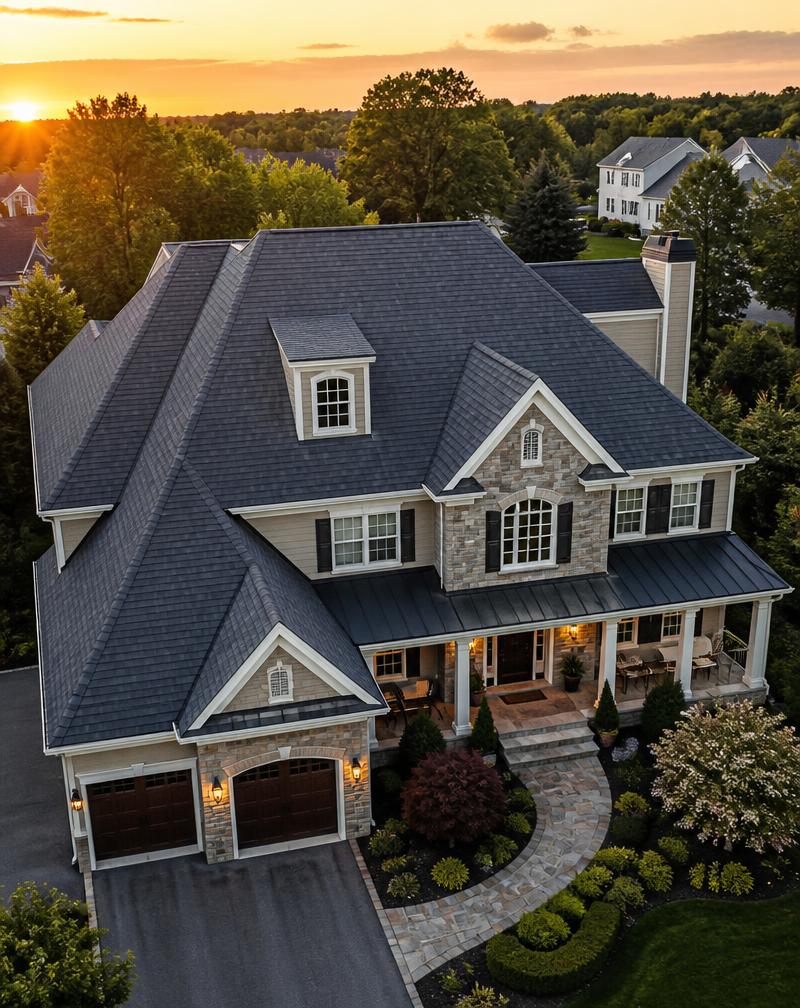
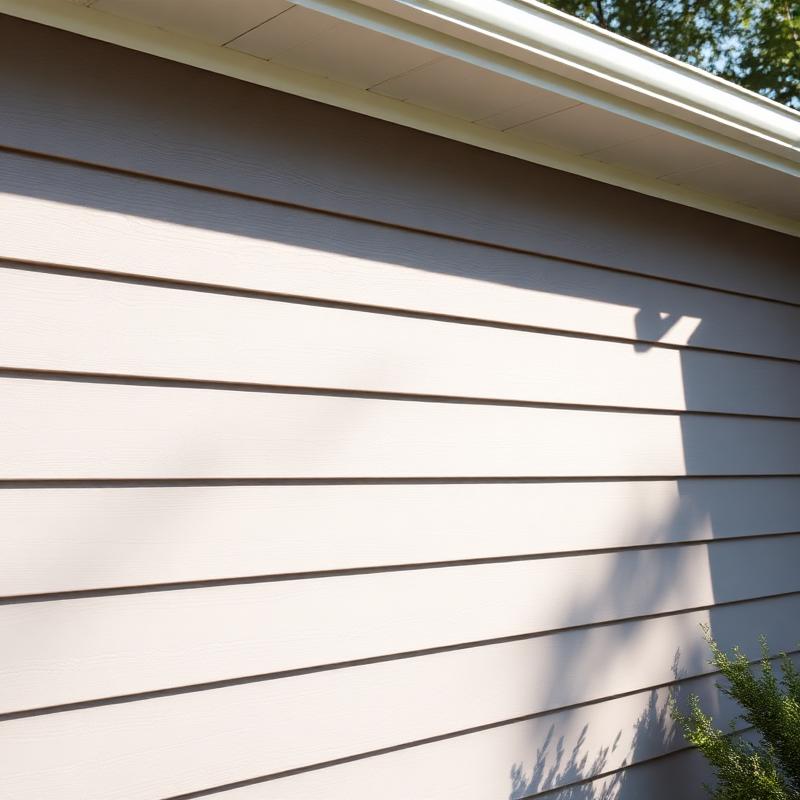
Hardie offers deep, realistic wood-grain textures, crisp shadow lines, and lap, shingle, panel and board-and-batten styles. Vinyl has improved, but up close fiber cement still reads as a premium, custom exterior.
Resale Value
Fiber cement siding replacement consistently ranks among the highest return-on-investment exterior remodeling projects. Buyers recognize the James Hardie name and associate it with low maintenance.
Appearance Up Close
From the street, both products can look clean. Up close, the difference is clearer: fiber cement boards are thicker, with deeper shadow lines and a more authentic wood-grain texture. Vinyl panels can show seams, ripples and a slight sheen that gives away the material.
If you're aiming for a high-end look on a historic or custom home, James Hardie siding is usually the closer match to real painted wood.
Storms, Heat and Impact
New Jersey weather is tough on any exterior. Vinyl can crack on a cold winter morning, loosen in high winds, or warp from reflected sunlight off a neighbor's windows. Fiber cement is rigid and dimensionally stable, so it holds its shape through heat, cold and wind-driven rain.
That durability is a big reason homeowners replacing storm-damaged siding often choose to upgrade rather than swap vinyl for vinyl.
- Fiber cement won't melt or sag near grills or reflective glass
- Holds fasteners firmly in high winds
- Resists dents from hail and yard debris better than thin vinyl
Which One Is Right for Your Home?
Vinyl still makes sense for some budgets and rental properties. But if you plan to stay in your home, care about resale value, or simply don't want to think about your siding again for a very long time, fiber cement is usually the better long-term investment.
The best way to decide is a side-by-side look at samples on your own house. During a free estimate, we can bring both and walk you through the real cost difference for your specific home.
Our Recommendation
If you plan to stay in your home for years, want the most durable exterior, or simply want it to look its best, Hardie is usually worth the investment. If budget is the top priority, a quality vinyl installation is still a solid choice — and we install both.
Ready for Your Free Estimate?
Talk to a Hammer Exteriors specialist about your project today.